AI Incident Resolution Agent
An AI-assisted incident workflow that correlates operational evidence, identifies possible causes, and recommends troubleshooting steps, with a human approving any action.
Architecture and data flow
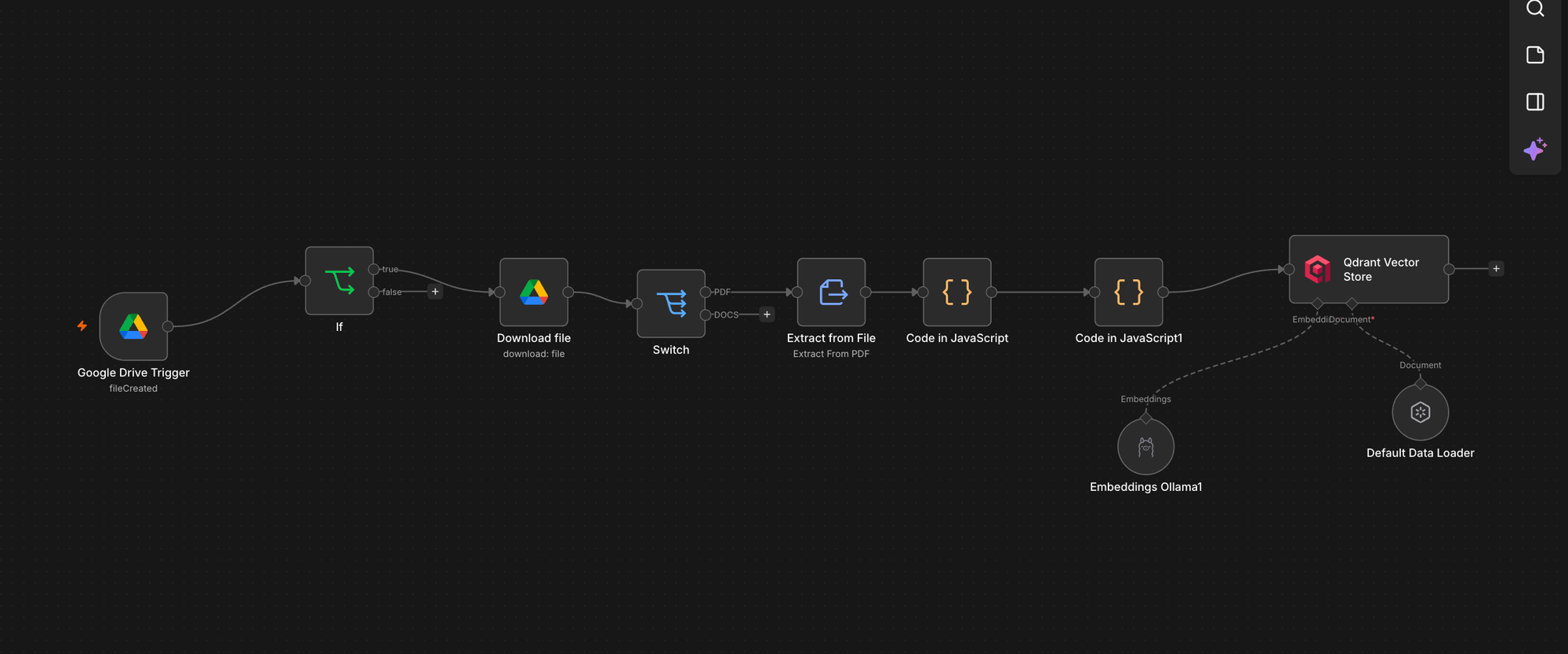
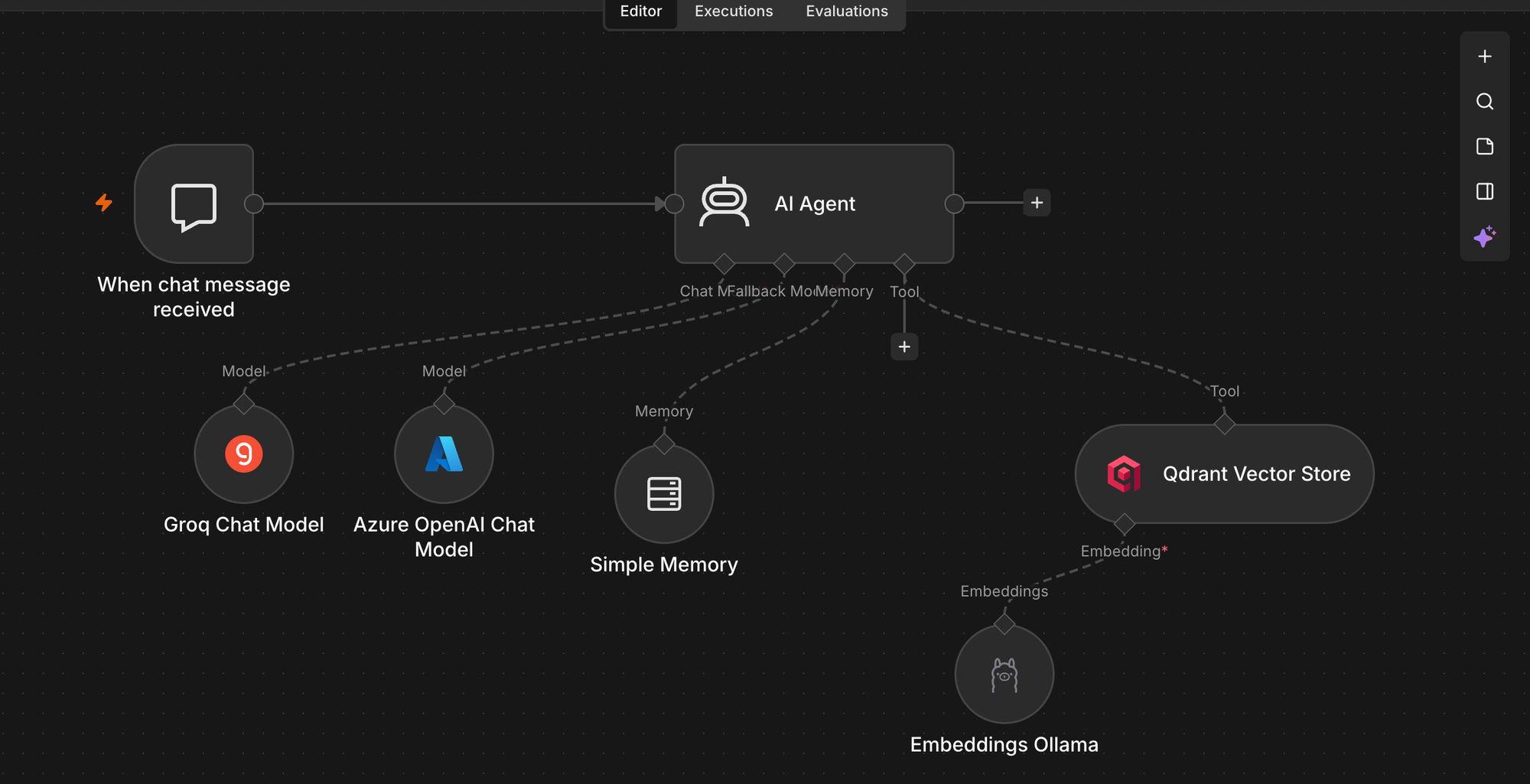
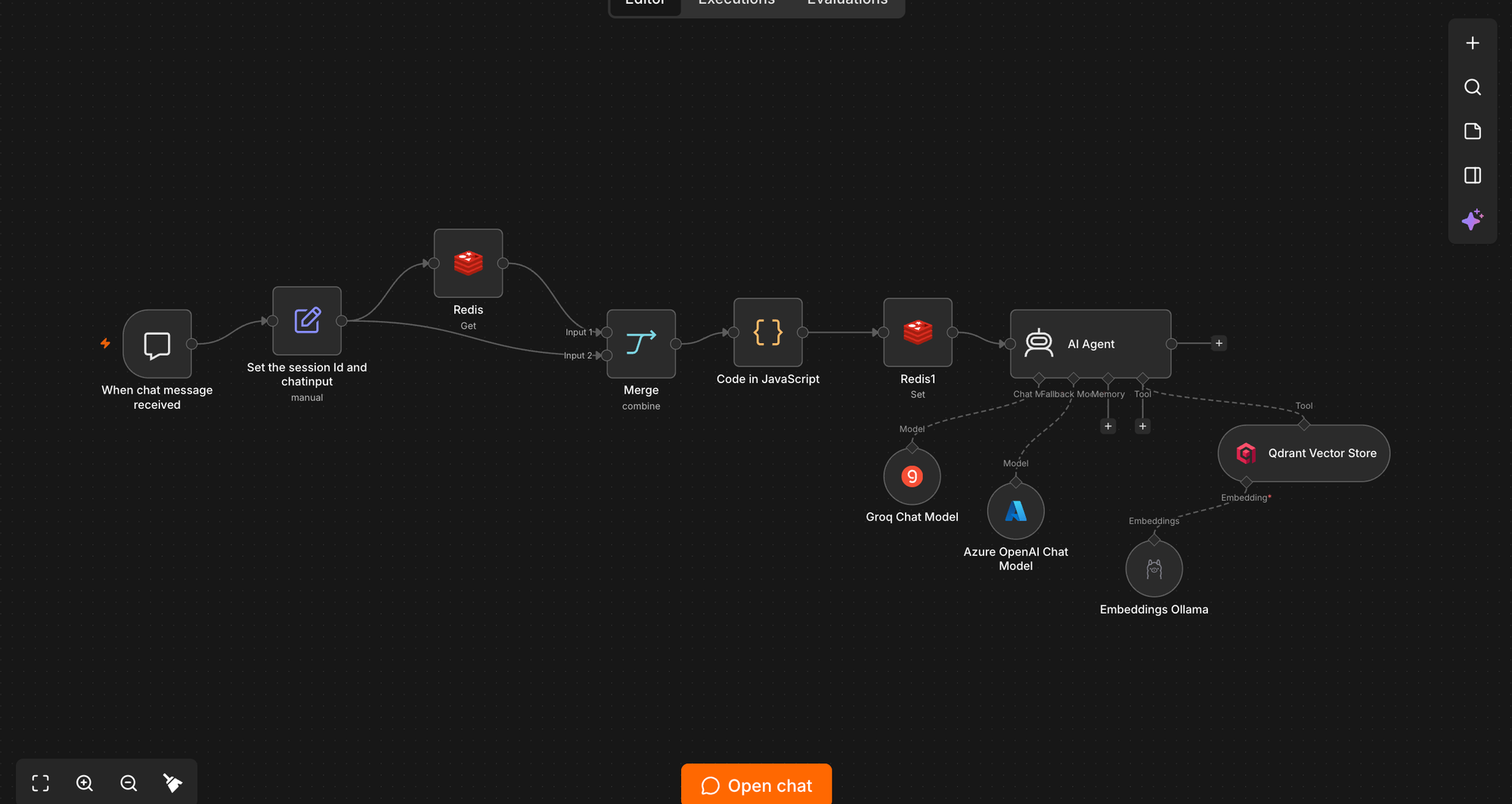
Architecture as described
- Monitoring alert
- Incident context collection
- LogsMetricsRecent changes
- Runbook retrieval
- AI analysis
- Evidence-based diagnosis
- Recommended remediation
- Human approval
Capabilities
- Alert ingestion· To confirm
- Relevant telemetry retrieval· To confirm
- Incident summaries· To confirm
- Evidence-backed hypotheses· To confirm
- Runbook recommendations· To confirm
- Confidence or uncertainty indicators· To confirm
- Audit trail and approval before consequential actions· To confirm
Problem
Problem and use case
During an incident, engineers lose time gathering logs, metrics and recent changes before they can even start diagnosing.
When a monitoring alert fires, an on-call engineer normally starts by collecting context: what changed recently, what the logs and metrics show, and which runbook applies. This workflow does that groundwork automatically. It gathers the evidence around the alert, retrieves the relevant runbook guidance, and has an AI model propose likely causes and next steps, each tied to the evidence behind it. The engineer reviews the recommendation and decides what to do.
Role
My role and contribution
Company project, built as part of my enterprise automation and observability work.
Implementation
Implementation details
- Alert intake: a monitoring alert starts the workflow and becomes the incident record.
- Context collection: relevant logs, metrics and recent changes are gathered for the affected service and time window.
- Runbook retrieval: existing runbooks and operational knowledge are searched for guidance that matches the evidence.
- AI analysis: the model correlates the evidence, summarises the incident and proposes possible causes with the evidence supporting each one.
- Recommendation: troubleshooting and remediation steps are suggested from the runbook guidance, separate from any action being taken.
- Human approval: an engineer reviews the diagnosis and approves or rejects any consequential action.
Decisions
Engineering decisions and trade-offs
- Recommend, don’t auto-resolve
- The agent produces diagnoses and recommended remediation; nothing consequential runs without human approval.
- Evidence first
- Every hypothesis points back to the logs, metrics or changes that support it, so engineers can verify the reasoning quickly.
- Builds on observability practice
- Connects AI analysis with existing monitoring and runbooks rather than replacing them.
- Diagnosis separate from action
- Recommendations and executed actions are kept distinct, so a suggestion is never mistaken for a fix that was applied.
Reliability
Error handling, security and reliability
- Human approval is required before any consequential action.
- Diagnoses are presented as possible causes with their supporting evidence, not as certainties.
- Company systems, data and incident details are confidential and not shown here.
- Any public demo will use synthetic telemetry unless an approved, sanitized integration is available.
Demo
Demonstration
Screenshots and a demo will be added.
Results
Tests, results and learnings
To be documented.
Next steps
Limitations and future improvements
Limitations
- Company project: source code, integrations and incident data are confidential.
Future improvements
- Publish a demo running on synthetic alerts and telemetry.
Links
Code and demos
Built as a company project, so the code, integrations and incident data are confidential and no public link is shared.